Tires
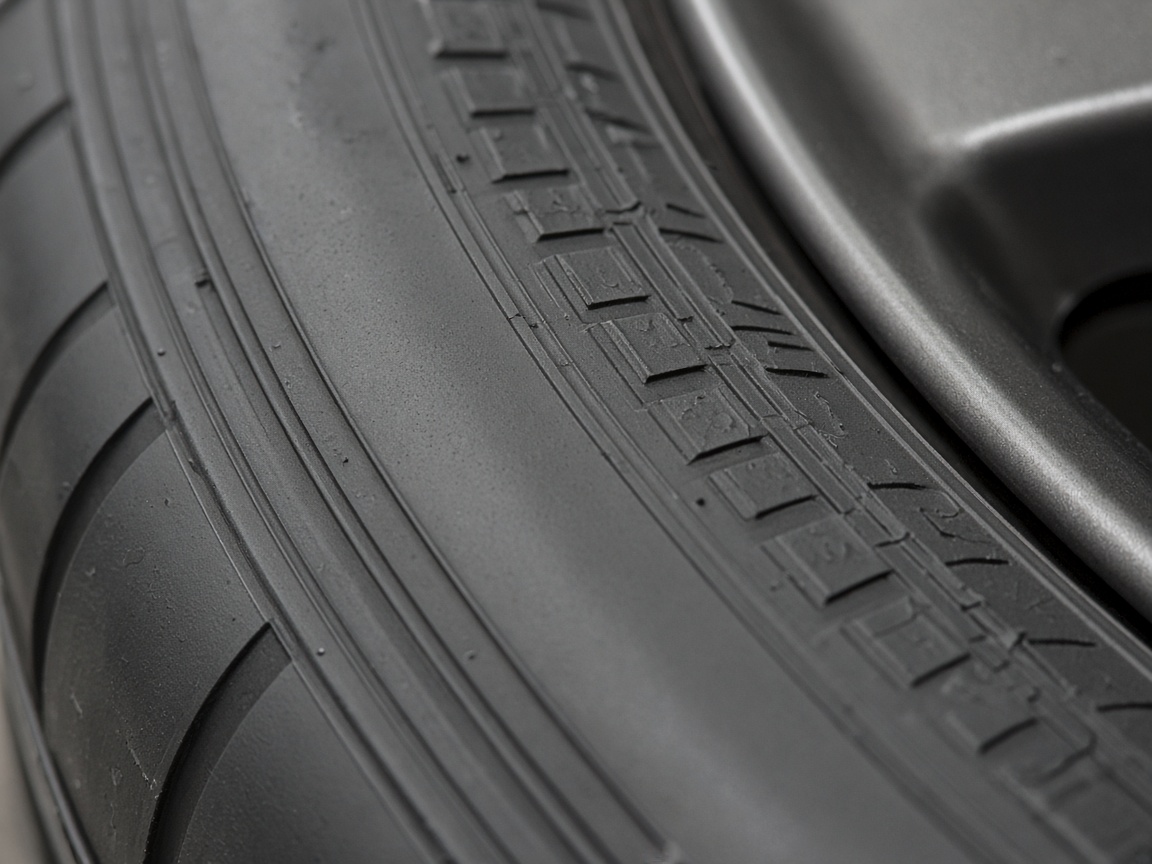
The sidewall is a specification, if you read the right marks
Load index, speed rating, and the four-digit date code tell you more than the poster in the tyre bay.
Tomas Rehn, Road Test Editor · 3 May 2026
A tyre is sold with a lot of language and a small amount of print. The language is the poster. The print is on the sidewall, and it is the part worth trusting before winter.
The date code is not a suggestion
The last four digits of the date code are the week and the year of manufacture. A tyre marked 4024 was built in the fortieth week of 2024. Rubber ages even when it has not been driven. A tyre that has sat in a stack for years can look new and still be a poor buy. Ask to see the code on the tyre you will actually leave with, not on a sample hanging by the till.
If a seller calls a set new and the code says otherwise, that is the end of the conversation. You do not need a second opinion from a forum.
Load and speed are not the pressure on the door
The load index is a code for the weight one tyre is built to carry. The speed rating is a letter for the sustained speed the construction is meant to handle. Neither number is the pressure printed on the placard in the door shut. The placard is the pressure for that car, at a stated load, on the size it names. A tyre can be the right size and the wrong index. Matching the size on the sidewall to the size on the placard is the start, not the whole job.
If you are moving to a winter set, copy the full size, the load index, and the speed rating from the car's placard or the current fitted tyre before you shop. A cheaper set that drops the index is not a bargain if the car is heavy or often full.
The snow mark is a specific claim
M+S, mud and snow, is a broad marking. The three-peak mountain snowflake is a harder claim: the tyre has met a snow-traction test. In a climate that actually snows, that difference matters more than the tread looking aggressive in a photograph. An all-season with a confident name and no snowflake is still an all-season.
None of this requires a specialist. It requires a minute with a torch and a refusal to buy from the poster alone. The sidewall is the specification. Read it before the set is mounted, because after that you are negotiating a return, not a purchase.
See a mistake? Write the desk. How a piece is tested, and what the desk will not sell, is set out in How we test and Editorial standards.